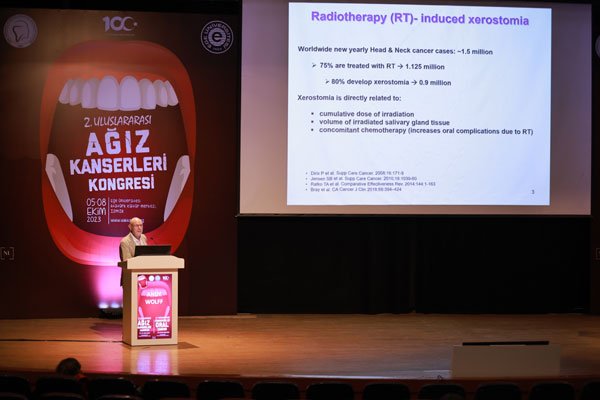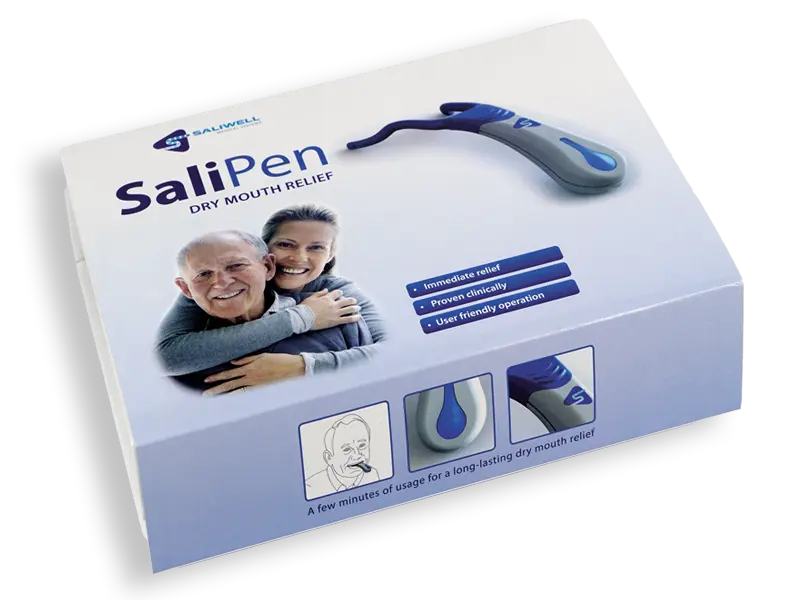
Summer can be one of the most challenging times of year for people with xerostomia, also known as dry mouth. Higher temperatures, more time spent outdoors, air conditioning, and increased sweating can make dry mouth symptoms even more severe. For many people, the discomfort continues into the night,


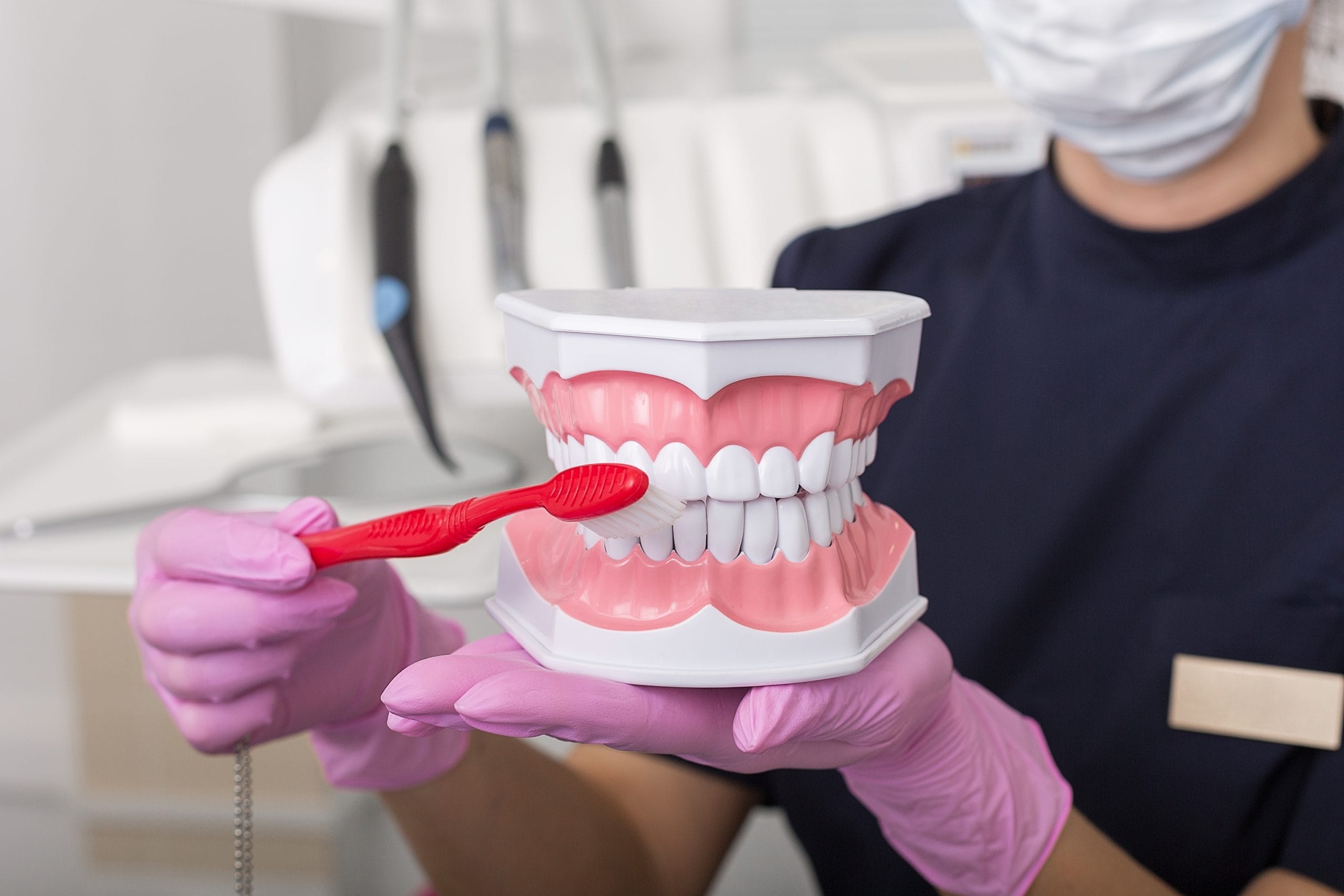
Dry mouth is more than a feeling of thirst or dryness; it’s a medical condition that occurs when the salivary glands don't produce enough saliva. This, in turn, can significantly impact oral health, increasing the risk of tooth decay, tooth loss, gum disease, bad breath, oral infections, and other dental complications.

Depression and dry mouth: on the surface, these two conditions are seemingly unrelated, but there is, in fact, a strong link between them. Dry mouth is one of the most common side effects of medication used to treat depression, including selective serotonin reuptake inhibitors (SSRIs) like Zoloft and Prozac.

Many people dismiss the sensation of dryness and other symptoms as minor annoyances or a natural part of aging, unaware that a lack of saliva can lead to severe dental decay and a significant decline in quality of life.
Many people dismiss the sensation of dryness and other symptoms as minor annoyances or a natural part of aging, unaware that a lack of saliva can lead to severe dental decay and a significant decline in quality of life.

Many people dismiss the sensation of dryness and other symptoms as minor annoyances or a natural part of aging, unaware that a lack of saliva can lead to severe dental decay and a significant decline in quality of life.

Dry mouth is a common side effect of many prescription overactive bladder medications like oxybutynin, tolterodine, solifenacin, darifenacin, and others.
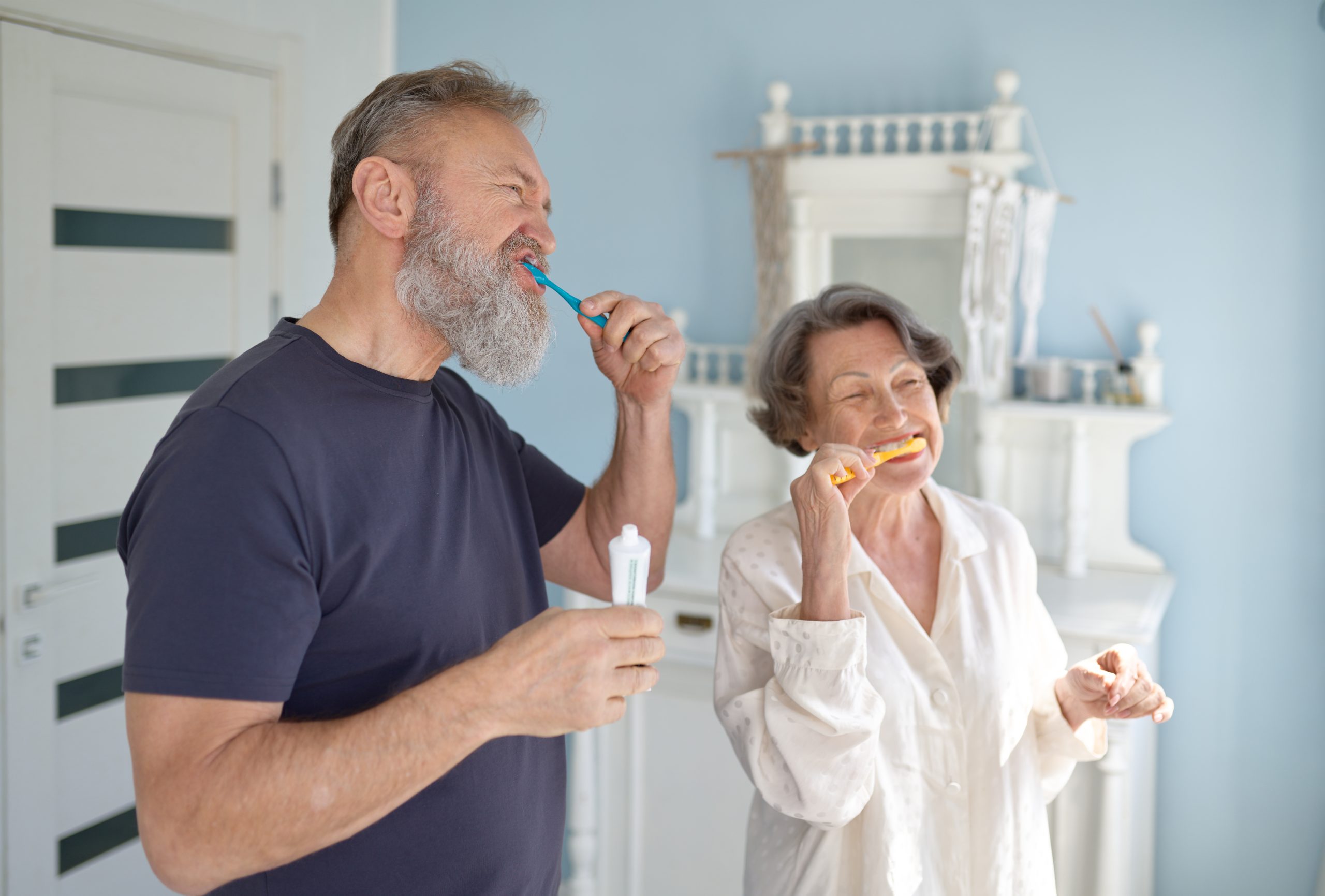
Saliva: You never notice it until it’s gone. When it exists in abundance, i.e. when your salivary glands function properly, your mouth feels comfortable during conversations, your taste buds enjoy every bite of food, and your teeth are protected from damage.

Xerostomia, also known as dry mouth, is often described in terms of its physical symptoms: a lack of saliva, an increased risk of oral disease, a sore, burning throat, difficulty swallowing and speaking, etc. But in addition to xerostomia’s physical challenges, there is an emotional toll that many people feel as well. Research shows that xerostomia can significantly impact “emotional and social functioning,” including holding back from participating in social activities.